

Robots have long been associated with industrial production, where they perform repetitive tasks, handle heavy materials, and support manufacturing operations. Today, however, their applications are extending well beyond factory floors. Advances in robotics, artificial intelligence, and sensor technology are enabling machines to take on a wider range of tasks in workplaces and public environments.
From assisting with logistics to supporting customer service, robots are becoming increasingly integrated into everyday operations. Their growing presence reflects a shift in how automation can support people across different industries.
Beyond Industrial Automation
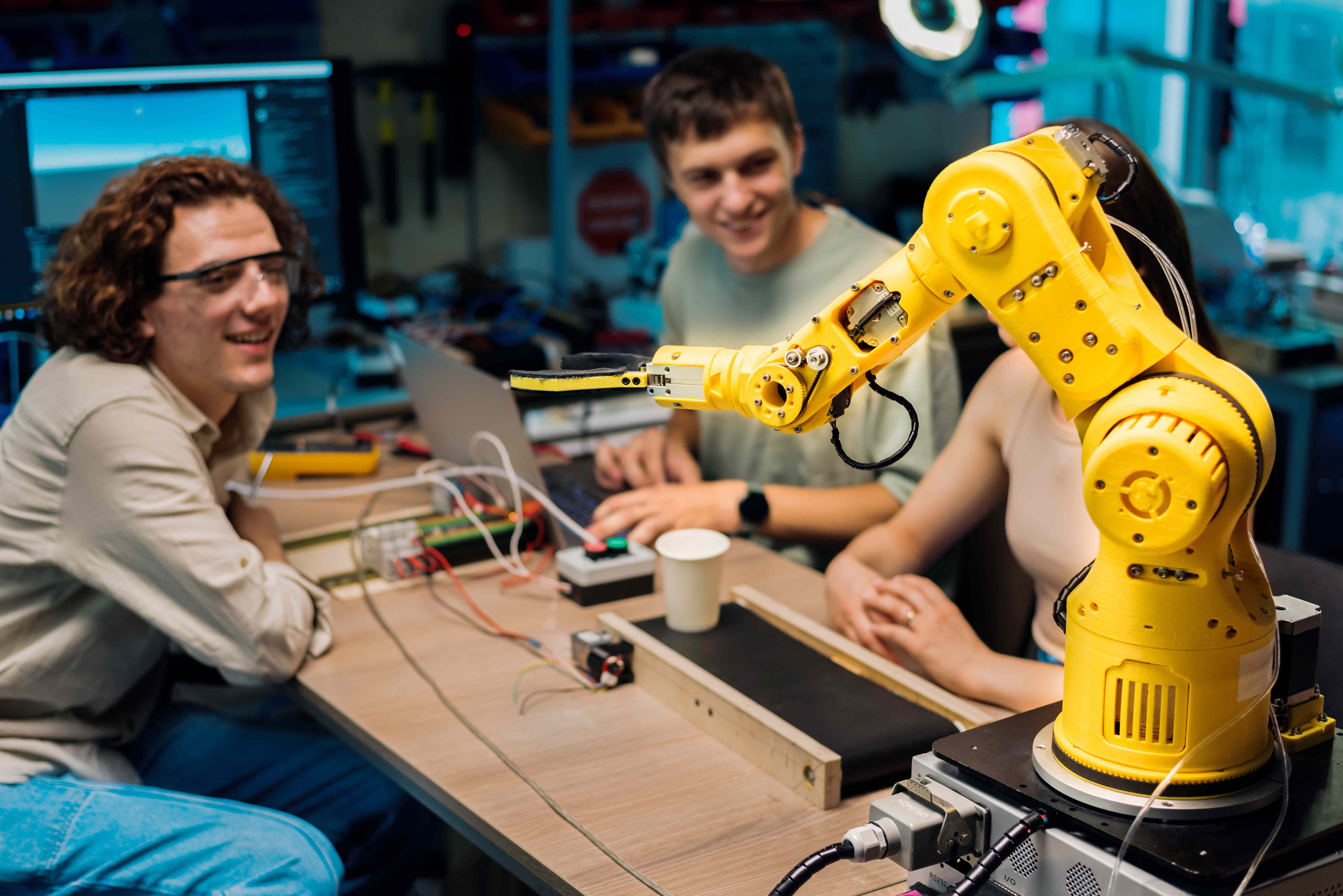
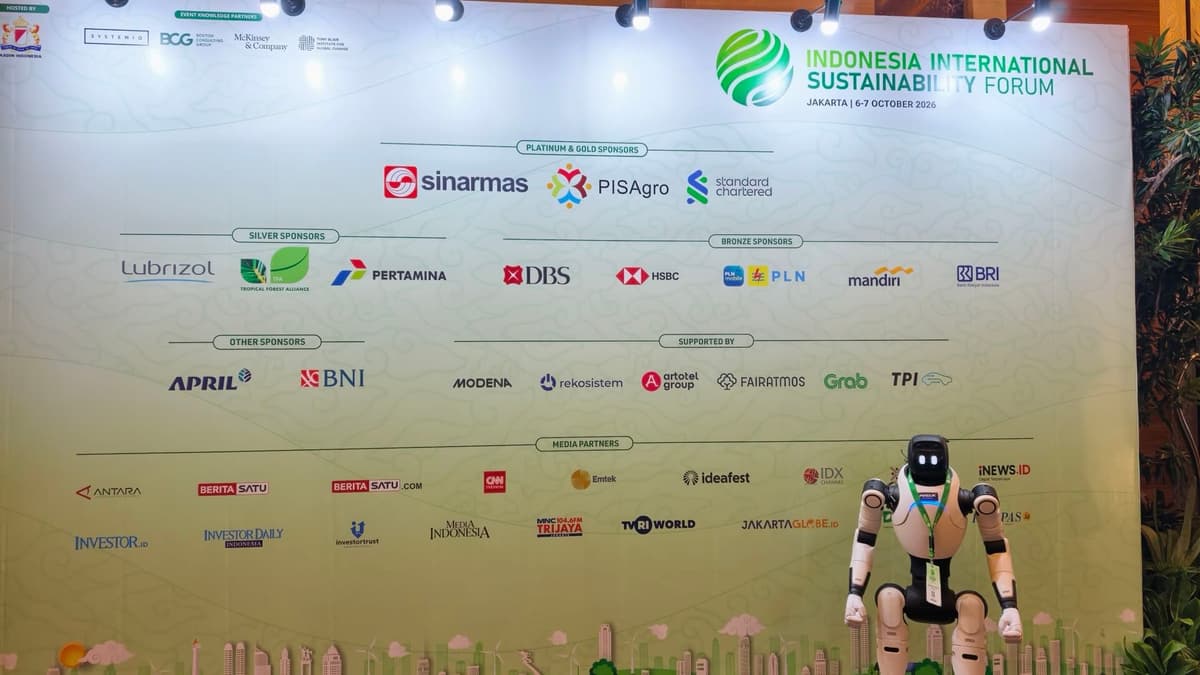
Robotics is no longer limited to manufacturing. Service robots are being developed to perform practical tasks in environments such as hospitals, hotels, warehouses, offices, and public facilities.
In logistics, mobile robots help transport goods and materials within warehouses and distribution centers. In hospitality, robots can assist with information services, visitor guidance, and routine deliveries. Healthcare facilities use robotic technologies in areas such as surgery, rehabilitation, and laboratory operations, while cleaning robots help maintain large indoor spaces.
According to the International Federation of Robotics, global shipments of professional service robots reached nearly 250,000 units in 2025, representing a 24% increase from the previous year. Transportation and logistics remained the leading application area, accounting for 117,500 units. These figures illustrate the growing adoption of robotics in practical, operational settings.
What Makes Modern Robots More Capable?
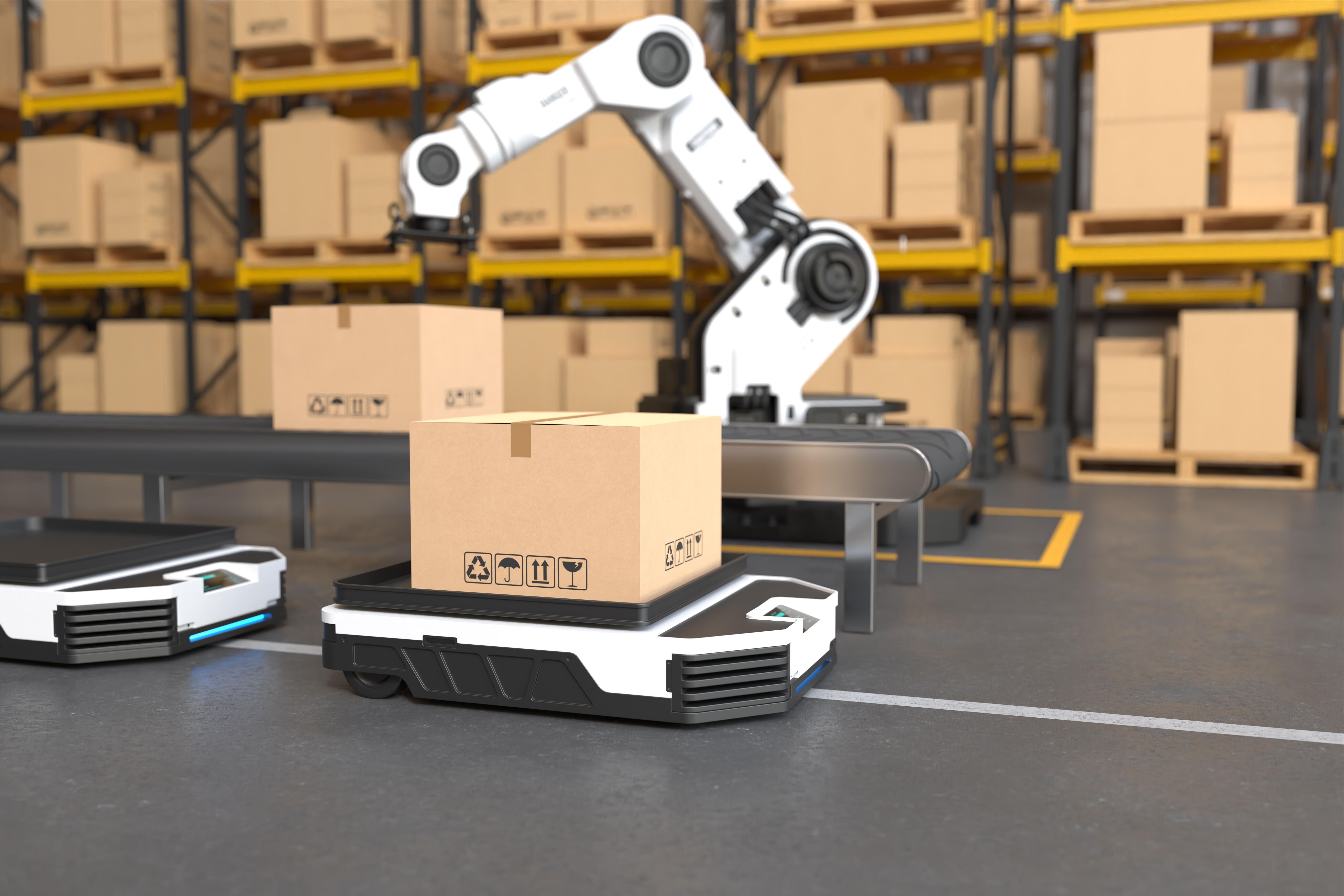
Several technological developments have contributed to the expanding capabilities of robots.
Artificial Intelligence enables robots to process information, recognize patterns, and respond to certain situations based on their programmed objectives and available data.
Sensors and Computer Vision allow robots to collect information about their surroundings. Cameras, LiDAR, and other sensors help detect objects, identify obstacles, and understand spatial conditions.
Autonomous Navigation helps mobile robots move through their environments, plan routes, and adjust their movements when conditions change.
Human-Robot Interaction allows robots to communicate and engage with people through speech, visual interfaces, gestures, and other forms of interaction.
Together, these technologies allow robots to operate in environments that are less predictable than traditional manufacturing settings.
Supporting People Across Different Industries
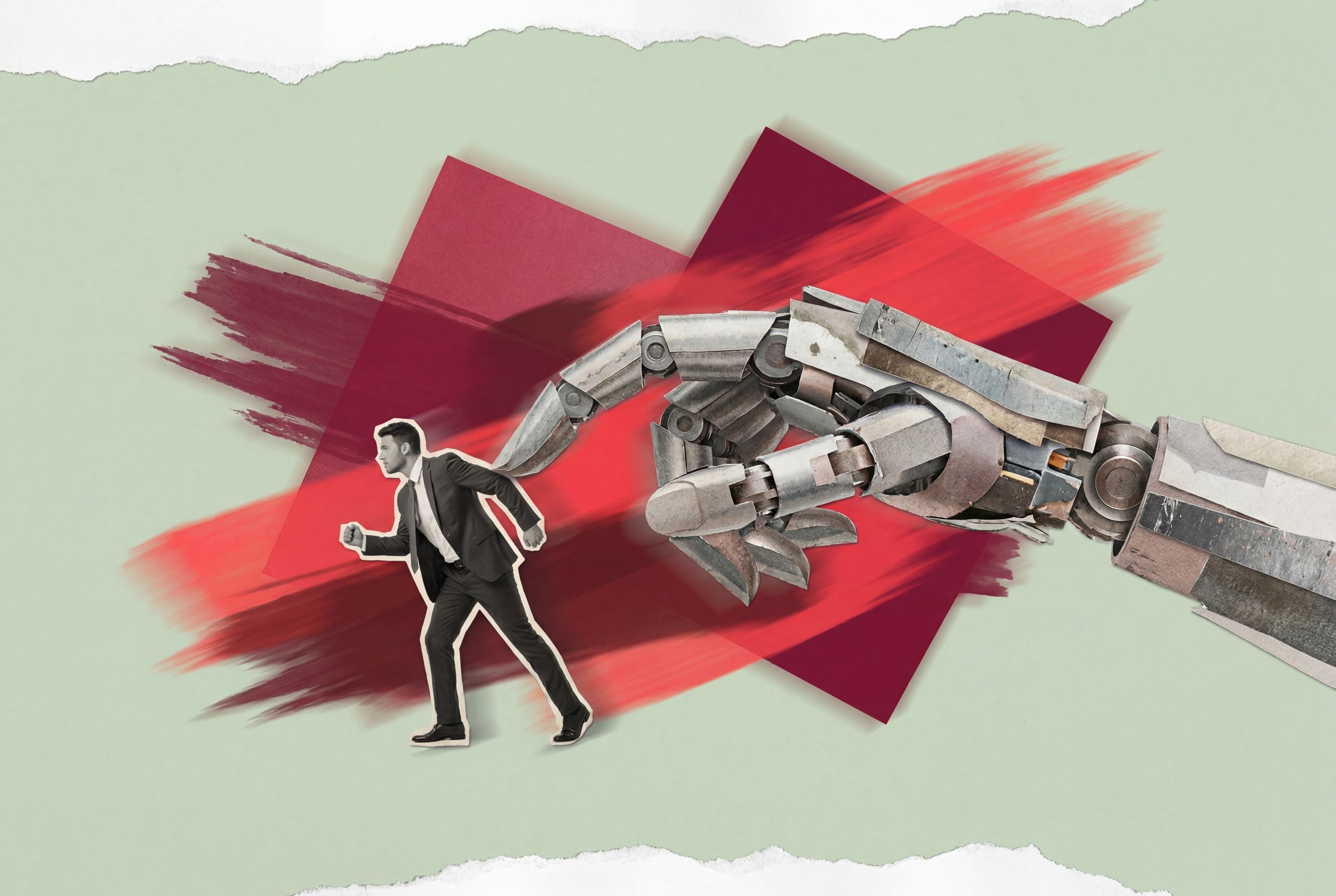
One of the most significant developments in robotics is its potential to support human activities rather than simply replace manual processes.
In workplaces, robots can take on repetitive, physically demanding, or time-consuming tasks, allowing employees to focus on responsibilities that require human judgement, communication, and decision-making.
In public-facing environments, robots can provide information, guide visitors, and assist with routine services. In healthcare, robotic systems can support medical professionals with specialized procedures and patient rehabilitation.
The role of robots varies depending on the needs of each environment. Their effectiveness depends not only on their technical capabilities but also on how well they are integrated into existing workflows.
Challenges to Wider Adoption
Despite their potential, the adoption of robotics comes with important considerations.
Safety is a key priority, particularly when robots operate alongside people. Systems must be designed to detect obstacles, respond appropriately to unexpected situations, and operate reliably within their intended environments.
Privacy and data protection are also important, especially for robots equipped with cameras, microphones, and other data-collecting sensors. Organizations must consider how information is collected, processed, stored, and protected.
Additionally, successful implementation requires more than introducing new equipment. Organizations need to assess operational requirements, prepare employees, and establish clear procedures for managing and maintaining robotic systems.
A More Integrated Future
As robotics technology continues to develop, robots are likely to become more common across a wider range of everyday environments. Their applications will depend on the specific needs of each industry, the tasks they are designed to perform, and the ability of organizations to integrate them responsibly.
Rather than viewing robotics solely as a form of automation, it is useful to consider how these systems can complement human capabilities. When applied thoughtfully, robots can help improve operational efficiency, support service delivery, and create new ways for people and technology to work together.