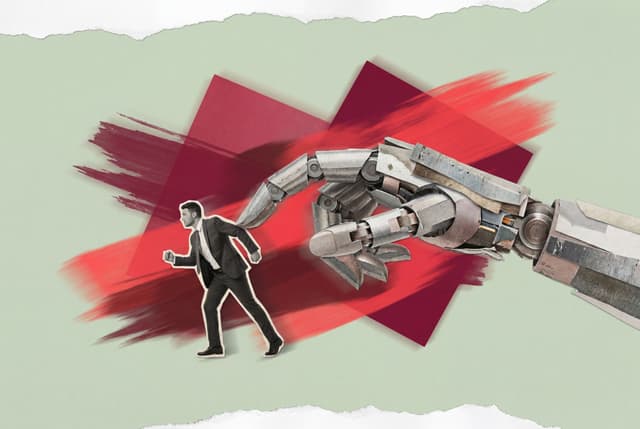




Artificial intelligence is changing how organizations work. From automating routine tasks to analyzing large volumes of information, AI is creating new opportunities to improve productivity, efficiency, and decision-making. However, as organizations become increasingly dependent on AI-powered systems, the importance of protecting their digital environments is growing alongside it.
AI is not only changing how businesses operate; it is also changing the cybersecurity landscape. The same technology that helps organizations identify threats and strengthen their defences can also be used by cybercriminals to make attacks more efficient and convincing.
This makes cybersecurity an essential part of responsible AI adoption.
AI Is Changing the Nature of Cyber Threats
Cyberattacks have traditionally relied on techniques such as phishing, identity theft, malware, and exploiting software vulnerabilities. AI is making some of these activities easier to carry out at greater speed and scale.
Generative AI can help attackers produce convincing phishing messages, impersonate individuals through synthetic audio or video, and gather information about potential targets. It can also assist with parts of the technical process, including identifying vulnerabilities and developing malicious tools.
The UK National Cyber Security Centre's 2026 assessment highlights that AI is likely to act as a force multiplier for cyber threats, improving the speed, scale, and efficiency of existing attack methods. In other words, AI does not necessarily introduce entirely new types of attacks; it can make familiar ones more effective.
As a result, suspicious messages may become harder to recognize, fraudulent communications more convincing, and the time available to respond to an incident potentially shorter.
AI Systems Can Create New Security Risks
The risks do not come exclusively from external attackers. The growing use of AI within organizations can introduce vulnerabilities if systems are not properly secured.
AI tools may process sensitive information, connect to internal databases, or interact with other business applications. If access permissions are poorly managed, confidential information could be exposed or used in unintended ways.
The growing adoption of AI agents introduces another consideration. Unlike tools that only generate responses, agentic AI systems can carry out tasks, interact with applications, and take actions based on instructions. Without appropriate access restrictions and human oversight, these capabilities can create additional opportunities for misuse.
Organizations must therefore consider not only the security of the systems they already use, but also the new risks introduced by the AI tools they adopt.
Why Traditional Security Measures Are No Longer Enough on Their Own

Many established cybersecurity practices remain essential, including firewalls, access controls, encryption, software updates, and employee awareness training. However, the growing complexity of AI-enabled environments means security strategies must continue to evolve.
Organizations need to understand how AI systems access and handle information, which applications they connect to, and what actions they are permitted to perform.
Security also needs to be considered throughout the AI lifecycle, from selecting and developing systems to deployment, monitoring, and maintenance. This includes reviewing data sources, managing user permissions, assessing third-party services, and monitoring unusual system behavior.
Rather than treating cybersecurity as a final checkpoint, organizations should make it part of the planning and implementation process from the beginning.
Building a More Secure AI Environment
As AI becomes more integrated into everyday operations, organizations can take several practical steps to reduce their exposure to cyber risks:
1. Protect sensitive information
Establish clear guidelines on what information can be shared with AI tools. Apply appropriate data protection measures and avoid entering confidential information into unapproved platforms.
2. Strengthen identity and access management
Ensure that employees and AI systems only have access to the information and resources necessary for their tasks. Use strong authentication and regularly review access permissions.
3. Monitor AI systems and their activities
Track how AI applications interact with internal systems, process information, and perform automated tasks. Continuous monitoring can help identify unusual activity and potential security issues.
4. Keep employees informed
Cybersecurity awareness remains important, particularly as AI-generated messages, voice impersonations, and other forms of social engineering become more convincing. Employees should know how to verify unusual requests and report suspicious activity.
5. Review systems regularly
Conduct security assessments, update software, evaluate third-party services, and review AI-related risks as systems and organizational needs evolve.
Security as a Foundation for AI Adoption

AI adoption is often measured by how much time it saves, how efficiently it performs, or how much value it creates. Yet these benefits depend on whether the technology can be used safely and reliably.
As AI systems become more capable and interconnected, cybersecurity must develop alongside them. Organizations need to protect not only their existing digital infrastructure, but also the data, applications, and automated processes that support their AI initiatives.
Ultimately, advancing AI and strengthening cybersecurity should not be treated as separate priorities. The more organizations rely on AI, the more important it becomes to ensure that the technology, information, and systems behind it remain secure.