

Artificial intelligence has become a familiar part of everyday work. People use AI assistants to draft emails, summarize documents, answer questions, generate ideas, and support decision-making. But AI is moving beyond simply responding to requests. A newer development is allowing AI systems to plan tasks, use digital tools, and carry out multiple steps toward a specific objective.
This shift has brought two terms into the spotlight: AI assistants and AI agents. Although they may appear similar, they represent different ways of applying artificial intelligence. Understanding the distinction helps organizations identify where each approach can be useful.
AI Assistants: Helping You Get Things Done
An AI assistant is designed to support people by responding to instructions, providing information, and helping complete individual tasks.
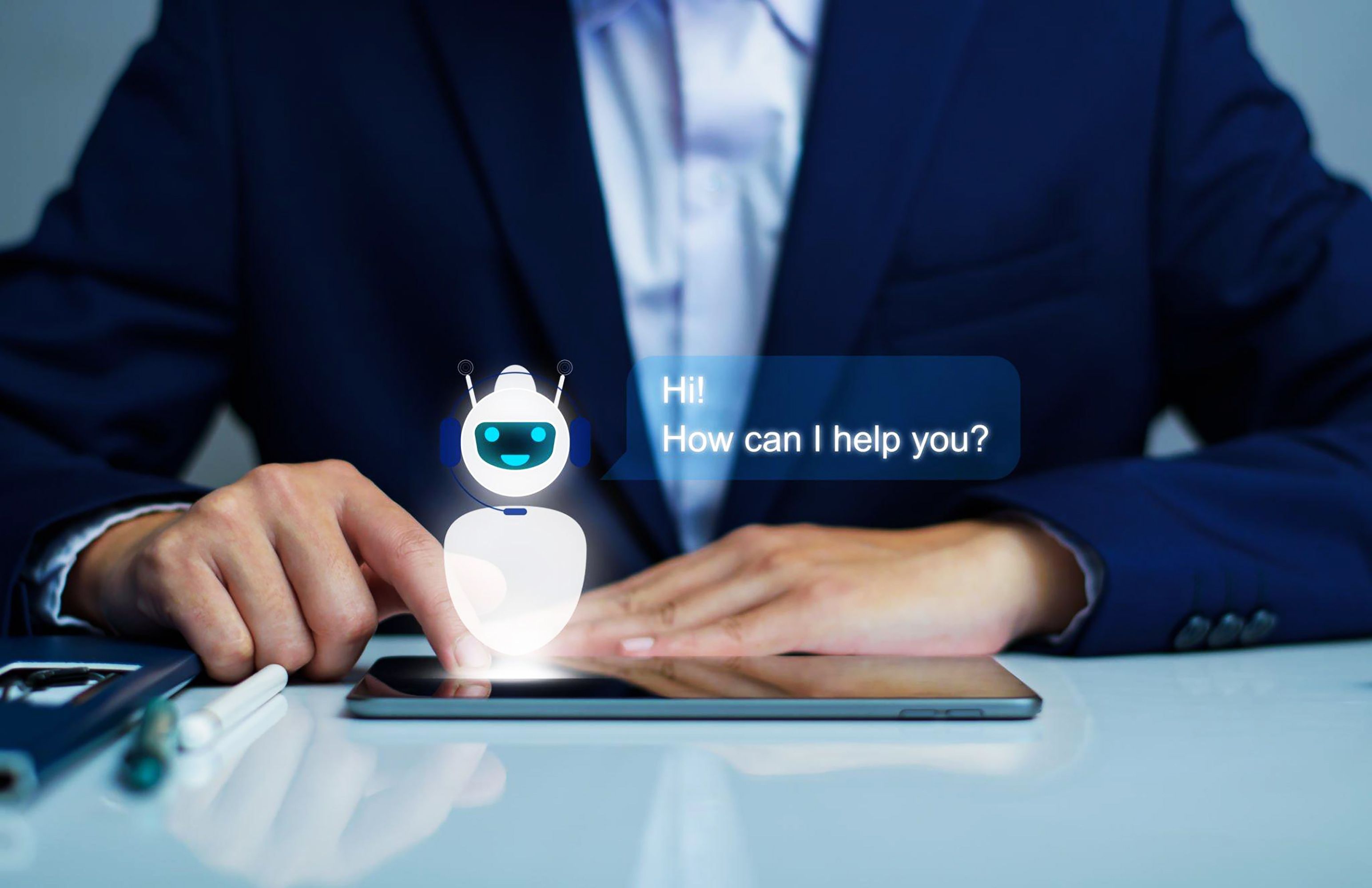
Most people have encountered AI assistants through conversational interfaces. A user asks a question or gives an instruction, and the system generates a response based on the available information and capabilities.
For example, an employee might ask an AI assistant to:
- Summarize a lengthy report.
- Translate a document into another language.
- Draft a professional email.
- Extract key information from a meeting transcript.
- Suggest ideas for a marketing campaign.
The assistant helps process information and produce useful outputs, but the user generally remains responsible for deciding what happens next.
In short, an AI assistant primarily helps people work more efficiently by reducing the effort involved in individual tasks.
AI Agents: Moving from Responses to Actions
AI agents take this concept a step further. Instead of focusing primarily on responding to individual instructions, they are designed to pursue a defined goal by planning and carrying out a sequence of actions.
An AI agent can break a larger objective into smaller tasks, determine what needs to happen, use available tools or applications, and adjust its approach based on the results.
Consider an employee who needs to organize a business meeting with several external participants.

An AI assistant could help draft an invitation, suggest an agenda, and prepare a list of discussion points. An AI agent, if connected to the appropriate tools and granted permission, could take the process further by checking calendar availability, identifying suitable time slots, preparing invitations, and coordinating the necessary follow-ups.
The key difference is that an agent can manage multiple connected steps toward an outcome rather than simply helping with each step individually.
Understanding the Difference
Although both technologies can use similar AI models and natural language interfaces, their typical roles differ in several ways.
| Area | AI Assistant | AI Agent |
|---|---|---|
| Primary role | Supports users with information and tasks | Works toward a defined objective |
| Interaction | Primarily responds to user instructions | Can plan and act across multiple steps |
| Decision-making | Usually relies on user direction | Makes bounded decisions within its permissions |
| Tool usage | May use tools when requested or enabled | Often uses tools as part of its workflow |
| Task complexity | Commonly handles individual tasks | Can coordinate connected tasks and workflows |
| Human involvement | User directs the process | User sets objectives and oversees execution |
These distinctions are general rather than absolute. Modern AI assistants can also use external tools and perform actions, while AI agents may still require frequent human guidance. The level of autonomy depends on how each system is designed and configured.
How AI Assistants and AI Agents Can Work Together
The development of AI agents does not mean AI assistants will become obsolete. In many situations, the two can complement one another.
An AI assistant can serve as the main point of interaction, helping users communicate their needs, provide instructions, and review information. Behind the scenes, one or more AI agents can handle specific tasks and coordinate different parts of a workflow.
For example, a business might use an AI assistant to help an employee manage a customer inquiry. The assistant could understand the request and provide a response, while specialized agents retrieve relevant customer information, check order details, and prepare a follow-up action.
This approach combines the accessibility of conversational AI with the ability to execute more complex processes.
As organizations explore these systems, the focus is gradually shifting from using AI to complete isolated tasks toward connecting AI capabilities across broader workflows.
Greater Autonomy Also Requires Greater Responsibility
Giving AI systems the ability to take action introduces considerations beyond the quality of their responses.
An AI agent may interact with business applications, access organizational information, or initiate actions that affect customers and employees. Without appropriate safeguards, mistakes can have consequences beyond an inaccurate answer.
Organizations therefore need to establish clear boundaries around what agents can access and do. This includes managing permissions, monitoring activities, maintaining records of important actions, and requiring human approval for sensitive or high-impact decisions.
Reliability is another important consideration. AI agents can make incorrect assumptions, misinterpret instructions, or encounter unexpected situations while carrying out a task. Testing, monitoring, and clear escalation procedures are essential to ensure that automated workflows remain manageable.
The objective is not to give AI unlimited independence, but to provide enough autonomy to complete useful tasks while keeping people informed and in control.
The Next Step in the Evolution of AI
The progression from AI assistants to AI agents reflects a broader development in how artificial intelligence is being used. AI is moving beyond generating information and supporting individual tasks toward systems that can coordinate actions and contribute to more connected workflows.
For organizations, the opportunity lies in understanding which tasks benefit from conversational assistance, which processes are suitable for agent-based automation, and where human judgement remains essential.
AI assistants help people work with information. AI agents extend those capabilities by helping turn objectives into actions. Together, they represent an evolving approach to making AI a more practical part of everyday work.